Massachusetts Home Inspections YOUR INVESTMENT IS MY CONCERN

Radon Health Effects
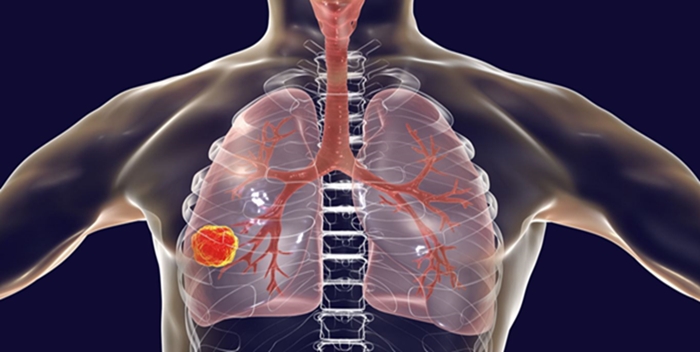
There are no known short-term effects or symptoms associated with radon exposure. The only documented long-term health risk is lung cancer. According to the Surgeon General, radon is the second leading cause of lung cancer in the United States. While it's unclear whether children are more vulnerable than adults, no specific subtype of lung cancer has been linked to radon exposure. Scientists estimate that radon contributes to approximately 15,000 to 22,000 lung cancer deaths annually and about 2,900 of these deaths were individuals who have never smoked.
Radon is found in nearly all air, and everyone breathes in small amounts every day—typically at very low, harmless levels. However, prolonged exposure to high concentrations of radon significantly increases the risk of developing lung cancer. Here’s what happens when you inhale high levels of radon: Once inside the lungs, a radon atom can decay into polonium-218, a radioactive metal. This metal particle can become lodged in lung tissue, where it continues to decay over the next hour or so, releasing alpha particles, beta particles, and gamma rays. Eventually, it transforms into lead-210, which has a half-life of about 22 years and remains in the body. It's this rapid sequence of radioactive emissions—particularly the high-energy alpha particles—that can damage lung cells and cause mutations over time. These mutations may lead to lung cancer later in life.
The risk of developing lung cancer from radon exposure increases dramatically if you smoke. Smokers exposed to elevated radon levels face a significantly higher risk than non-smokers. The good news is that quitting smoking can help reduce your overall lung cancer risk, even if radon levels remain elevated. It's important to note that not everyone exposed to high radon levels will develop lung cancer, and if it does occur, it may take many years after the initial exposure. Breathing in radon gas does not cause any immediate or noticeable health effects—such as coughing, shortness of breath, headaches, or fever—which is why radon is often called a “silent” health threat.
As you can see, having a high concentration of radon gas in your home—despite it being a naturally occurring substance—is definitely not something you want around your family.
WHAT IS THE "ACCEPTABLE" LEVEL OF RADON IN AIR?
4.0 pCi/L or LESS (According to the EPA)
HOW OFTEN IS INDOOR AIR A PROBLEM?
Nearly one in every 15 homes in the United States has a radon level at or above 4 picocuries per liter (pCi/L), which the EPA considers elevated. In some areas of Massachusetts, radon levels are even higher. The national average radon level in the air inside single-family homes is approximately 1.3 pCi/L. Since the average person spends up to 80% of their time indoors, indoor radon exposure is a significant health concern.
Radon Risk Comparison Charts
Radon Risk If You Smoke
| Radon Level | If 1,000 people who smoked were exposed to this level over a lifetime*... | The risk of cancer from radon exposure compares to**... | WHAT TO DO: Stop smoking and... |
|---|---|---|---|
| 20 pCi/L | About 260 people could get lung cancer | 250 times the risk of drowning | Mitigate Building |
| 10 pCi/L | About 150 people could get lung cancer | 200 times the risk of dying in a home fire | Mitigate Building |
| 8 pCi/L | About 120 people could get lung cancer | 30 times the risk of dying in a fall | Mitigate Building |
| 4 pCi/L | About 62 people could get lung cancer | 5 times the risk of dying in a car crash | Mitigate Building |
| 2 pCi/L | About 32 people could get lung cancer | 6 times the risk of dying from poison | May consider mitigating between 2 and 4 pCi/L |
| 1.3 pCi/L | About 20 people could get lung cancer | Average indoor radon level | Reducing radon levels below 2 pCi/L is difficult. |
| 0.4 pCi/L | About 3 people could get lung cancer | Average outdoor radon level | |
| Note: If you are a former smoker, your risk may be lower. * Lifetime risk of lung cancer deaths from EPA Assessment of Risks from Radon in Homes (EPA 402-R-03-003). ** Comparison data calculated using the Centers for Disease Control and Prevention's 1999-2001 National Center for Injury Prevention and Control Reports. |
|||
Radon Risk If You've Never Smoked
| Radon Level | If 1,000 people who never smoked were exposed to this level over a lifetime*... | The risk of cancer from radon exposure compares to**... | WHAT TO DO: |
|---|---|---|---|
| 20 pCi/L | About 36 people could get lung cancer | 35 times the risk of drowning | Mitigate Building |
| 10 pCi/L | About 18 people could get lung cancer | 20 times the risk of dying in a home fire | Mitigate Building |
| 8 pCi/L | About 15 people could get lung cancer | 4 times the risk of dying in a fall | Mitigate Building |
| 4 pCi/L | About 7 people could get lung cancer | The risk of dying in a car crash | Mitigate Building |
| 2 pCi/L | About 4 people could get lung cancer | The risk of dying from poison | May consider mitigating between 2 and 4 pCi/L |
| 1.3 pCi/L | About 2 people could get lung cancer | (Average indoor radon level) | (Reducing radon levels below 2 pCi/L is difficult) |
| 0.4 pCi/L | (Average outdoor radon level) | ||
| Note: If you are a former smoker, your risk may be higher. * Lifetime risk of lung cancer deaths from EPA Assessment of Risks from Radon in Homes (EPA 402-R-03-003). ** Comparison data calculated using the Centers for Disease Control and Prevention's 1999-2001 National Center for Injury Prevention and Control Reports. |
|||


Here is what my clients have to say about my home inspection services:
Press F5 (on your keyboard) for additional testimonials
Hi Dave,
Just wanted to send you a note of appreciation related to our home inspection at 14 Sunset Rock. We found your approach to be thorough, with great attention to detail, along with balanced and very practical advice. We are very pleased with your work!
Regards,
John








- Home
- Types Of Home Inspections
- Why Choose Me?
- What Do I Inspect
- Aerial Drone Inspections
- Areas I Serve
- Guide to a Healthy Home
- Higher Standards
- Client Testimonials
- Standards of Practice
- Support Our Military
- Glossary - A thru H
- Glossary - I thru Z
- Purchasing A Home
- Selling Your Home
- Get Your Home Sold Fast
- Know Your Home
- Pricing For Services
- Optional Services
- Most Common Defects
- Frequently Asked Questions
- Home Inspection Report
- Home Maintenance
- Moving Tips
- Images Of Defects
- A Safer Home
- Contact Me
Areas Served
MASSACHUSETTSCities and towns throughout Eastern Massachusetts, primarily focusing on ESSEX, MIDDLESEX, NORFOLK, SUFFOLK, and WORCESTER counties, including: